


Choosing Anesthesia Free Dog Teeth Cleaning for Your Pet
When considering anesthesia free dog teeth cleaning, safety becomes your top priority. This modern approach offers excellent results without sedation risks. Understanding the differences between anesthetic and non-anesthetic methods helps you make informed decisions. This comprehensive guide explains both options thoroughly.
Anesthesia free dog teeth cleaning has gained popularity among conscious pet owners. This method provides gentle, effective dental care while eliminating anesthetic complications. Traditional methods remain appropriate for certain situations.
What Is Anesthesia Free Dog Teeth Cleaning?
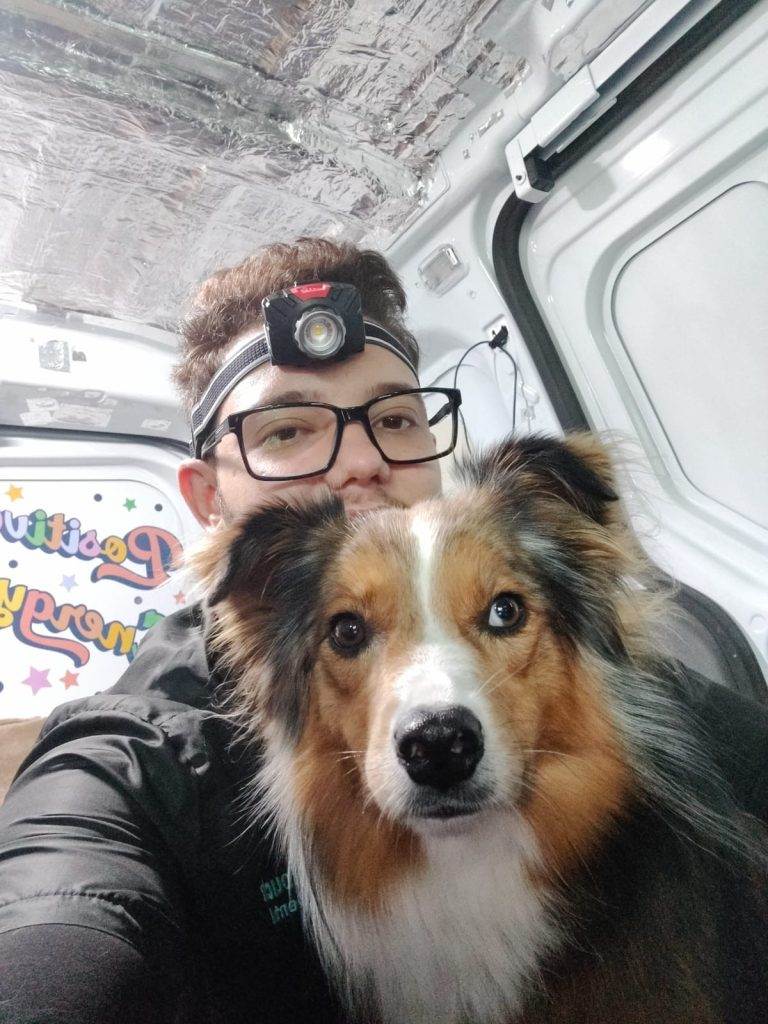
Anesthesia free dog teeth cleaning uses gentle restraint and calming techniques instead of sedation. This approach relies on skilled technicians specializing in conscious animal handling. The process provides thorough dental cleaning while keeping dogs alert and comfortable.
The Non-Anesthetic Process
During anesthesia free dog teeth cleaning sessions:
- Dogs remain fully conscious and alert throughout
- Trained professionals use gentle restraint techniques
- Calming methods help pets stay relaxed
- Specialized tools designed for conscious animals remove buildup
- Sessions typically take 30-60 minutes
If you notice warning signs your dog needs dental cleaning, this method addresses issues safely.
Key Benefits of Anesthesia Free Methods
Safety First: Anesthesia free dog teeth cleaning eliminates all sedation-related risks, including adverse reactions, breathing complications, and anesthetic deaths.
Stress Reduction: Many dogs experience less stress remaining conscious. They stay aware of their surroundings throughout the process.
Immediate Recovery: No recovery period needed after anesthesia free dog teeth cleaning. Dogs return to normal activities immediately.
Cost Effectiveness: This approach costs significantly less than anesthetic procedures. Reduced overhead translates to savings for pet owners.
Traditional Anesthesia-Based Dental Cleaning
Traditional veterinary cleaning requires general anesthesia to render dogs unconscious. However, this method remains standard in veterinary medicine for certain situations.
The Anesthetic Dental Process
Traditional anesthetic cleaning involves:
- Pre-anesthetic blood work and examination
- Intravenous catheter placement
- General anesthesia induction
- Intubation and breathing assistance
- Complete oral examination with dental X-rays
- Deep scaling above and below gum lines
- Polishing and fluoride treatments
- Recovery monitoring
Benefits of Anesthetic Cleaning
Complete Access: Anesthesia allows thorough examination of all mouth areas. Veterinarians can reach every surface during cleaning.
Pain-Free Procedure: Dogs feel no discomfort during extensive dental work. This enables comprehensive treatment when necessary.
Comprehensive Treatment: Ability to perform extractions and oral surgery. Complex procedures become possible under anesthesia.
Safety Comparison: The Critical Factor
Anesthesia Free Safety Profile
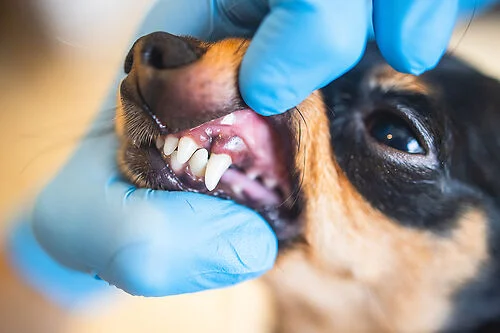
Anesthesia free dog teeth cleaning offers excellent safety with minimal risks. Eliminating anesthetic complications provides significant advantages.
No Anesthetic Complications: This approach eliminates primary risk factors in dental procedures. It’s ideal for high-risk pets.
Suitable for Compromised Pets: Perfect for senior dogs or those with health conditions. Breeds prone to anesthetic sensitivity benefit greatly.
Immediate Assessment: Behavioral changes or stress can be addressed immediately. Technicians can adjust their approach as needed.
No Fasting Required: Dogs don’t need to fast before anesthesia free dog teeth cleaning. This reduces stress and health risks significantly.
Anesthesia-Related Risks
While modern anesthesia is generally safe, inherent risks remain:
Anesthetic Deaths: Although rare (approximately 1 in 2,000), anesthetic-related deaths occur. Anesthesia free dog teeth cleaning eliminates this risk entirely.
Cardiovascular Complications: Blood pressure and heart rhythm changes during anesthesia. These complications can be serious for some dogs.
Respiratory Issues: Breathing complications, especially in brachycephalic breeds. Intubation carries additional risks.
According to the American Animal Hospital Association, anesthetic monitoring requires extensive protocols to ensure safety.
Who Benefits from Anesthesia Free Dog Teeth Cleaning?
Ideal Candidates
Senior Dogs: Older dogs benefit greatly from avoiding anesthetic stress. Aging organs handle anesthesia free dog teeth cleaning much better.
Dogs with Health Conditions: Heart disease, kidney problems, or liver issues make anesthesia riskier. Conscious cleaning provides safer alternatives.
Anxious but Manageable Dogs: Nervous dogs who can be calmed with gentle techniques. Anesthesia free dog teeth cleaning reduces overall stress levels.
Preventive Care Patients: Dogs with good oral health needing maintenance cleaning. This approach works excellently for routine care.
Dogs Who May Need Traditional Anesthesia
Severely Aggressive Dogs: Animals that cannot be safely restrained may require sedation. Many behavioral issues can be managed with patience.
Advanced Dental Disease: Extensive periodontal disease requiring surgical intervention. Complex extractions need anesthetic procedures.
Comprehensive Oral Surgery: Procedures beyond basic cleaning require anesthesia. Extensive reconstructive work needs unconscious patients.
What to Expect During Each Cleaning Type
Anesthesia Free Experience
Your anesthesia free dog teeth cleaning experience with Royal Touch Pet Dental includes:
Pre-Cleaning Consultation: Assessment of your dog’s temperament and dental needs. Technicians evaluate the best approach for your pet.
Gentle Introduction: Allowing dogs to meet technicians and become comfortable. This builds trust before the procedure begins.
Calming Techniques: Methods proven to relax conscious animals during care. These techniques reduce stress throughout cleaning.
Thorough Cleaning: Careful removal of plaque, tartar, and bacteria from accessible surfaces. Technicians ensure comprehensive cleaning results.
Traditional Anesthetic Experience
Traditional cleaning involves:
Pre-Procedure Preparation: Fasting, blood work, and health assessments. This preparation ensures anesthetic safety protocols.
Anesthesia Induction: Sedation and intubation in clinical settings. Monitoring equipment tracks vital signs continuously.
Complete Oral Examination: Thorough assessment while unconscious. Dental X-rays reveal hidden problems.
Recovery Period: Monitoring during wake-up process and potential overnight observation. Recovery requires additional time and care.
Making the Right Choice for Your Dog
Consider Individual Needs
Every dog is unique, and the best choice depends on various factors. Anesthesia free dog teeth cleaning works excellently for most pets.
Age and Health Status: Younger, healthier dogs may tolerate anesthesia better. Senior or compromised dogs benefit from anesthesia-free options.
Temperament: Calm, well-socialized dogs excel as candidates for conscious cleaning. Anesthesia free dog teeth cleaning suits most personalities.
Dental Condition: Dogs with mild to moderate issues benefit from non-anesthetic cleaning. Severe cases may require traditional procedures.
The Royal Touch Advantage
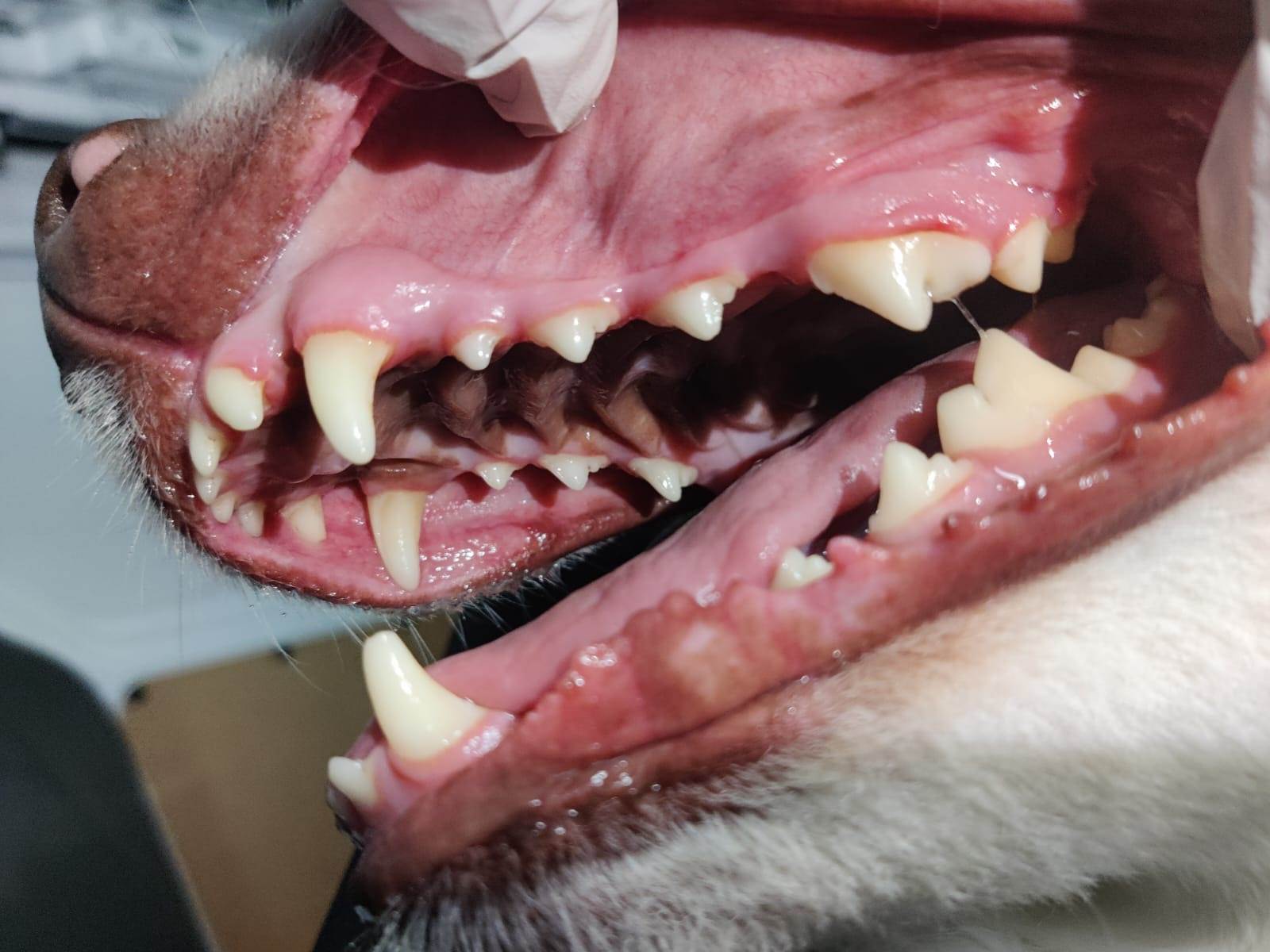
Royal Touch Pet Dental specializes in anesthesia free dog teeth cleaning throughout Sarasota. Their expertise ensures excellent results with maximum safety.
Specialized Training: Team members receive specific training in non-anesthetic techniques. They understand canine behavior and stress management.
Calm Environment: Dogs remain in comfortable home environments during cleaning. Stress levels decrease significantly compared to clinic visits.
Gentle Methods: Proven calming techniques help nervous dogs relax effectively. Anesthesia free dog teeth cleaning becomes manageable for most pets.
Long-Term Health Benefits
Preventing Serious Health Issues
Regular anesthesia free dog teeth cleaning helps prevent:
Periodontal Disease: The most common health issue in adult dogs. Early intervention prevents progression to serious stages.
Tooth Loss: Maintaining healthy teeth throughout your dog’s life. Preventive care saves natural teeth effectively.
Systemic Infections: Preventing dental bacteria from entering bloodstreams. This protects vital organs from infection damage.
Chronic Pain: Eliminating discomfort associated with dental disease. Dogs maintain better quality of life overall.
Building Sustainable Care Routines
Anesthesia free dog teeth cleaning safety allows for frequent sessions. This maintains optimal oral health throughout dogs’ lives. Regular care prevents expensive emergency procedures effectively.
Choose the Safe, Effective Option
When considering your dog’s dental health, anesthesia free dog teeth cleaning provides excellent results. This approach prioritizes safety while delivering thorough care. Royal Touch Pet Dental brings expertise directly to your home.
Their team of dedicated professionals treats every pet like family. They ensure safe, comfortable experiences during anesthesia free dog teeth cleaning sessions. You can feel confident choosing the safest option available.
Ready to give your dog the safest dental care? Contact Royal Touch Pet Dental today to learn about their services. Their mobile convenience and proven expertise make excellent choices for conscious pet owners.
Learn about their professional dental services and affordable pricing options. Visit their contact page to schedule consultations.
Related reading: Dog Teeth Cleaning Costs, Signs Your Dog Needs Cleaning, and Cat Teeth Cleaning